
Day 29th The Kremlin is considering changing Vladimir Putin’s job title to Supreme Ruler Hmmm ... I wonder if he will be strutting around and cackling "Gog Adoodle Do?! :scratch: Day 31st Ezekiel 29:6-12 prophecy ... disputes over the water between Egypt and Ethiopia leading to the Tower of Syene getting nuked and making the Nile River undrinkable. :wacko: Egypt Too Worried About Water Shortage to Care About Trump's Plan. The massive dam that Ethiopia is building on part of the Nile could spark a dire drought in Egypt Haartz Jan 31, 2020 8:10 am Fear of a looming water shortage in Egypt is of far greater interest to its leaders these days than Donald Trump’s “deal of the century” or the campaign against Iran. It’s not just “a problem of national security,” as President Abdel-Fattah al-Sissi calls it – it’s an existential issue. The threat goes by the name of the Grand Ethiopian Renaissance Dam. Ethiopia is building it on a tributary of the Blue Nile that runs through its territory, and the result could be a dramatic reduction in the amount of water Egypt receives from the river. Economists estimate that the country will lose 10 billion cubic meters of water a year, out of an average of about 50 billion cubic meters annually that it was getting until two years ago – although that dropped in 2019 to less than 44.5 billion cubic meters – all this before the lake Ethiopia is creating has reached capacity, behind the dam. Egypt has threatened in the past that if Ethiopia continued to build its networks of dams, it would even consider going to war over it. That threat has in the meantime morphed into desperate efforts to reach an agreement, so far to no avail. Ethiopia has promised Egypt that it will receive the entire amount of water it’s been promised – but without a formal agreement, the Egyptian Nile will always be at the mercy of the Ethiopian authorities. According to estimates, when the dam is completed, as part of a giant hydropower project, Egypt will lose 1.8 million feddan (1.86 million acres) of farmland, out of approximately 8.5 million feddan currently under cultivation. If that happens, about 1.2 million jobs in agriculture will disappear, and the unemployment rate – which Cairo lowered impressively from 14 percent to 7.5 percent – will surge dangerously. President Sissi is promising his citizens, meanwhile, that there will be no shortage of water and that the government will be investing in desalination facilities. But those facilities, which will operate on the basis of traditional sources of energy, will cause the price of water to rise further – after it’s already soared by more than 300 percent since 2014. Egypt already imports about 50 percent of the grain crops it consumes, and, in this scenario, it will be compelled to increase those imports significantly and pay for it in hard currency from its foreign currency reserves. Moreover, the average per capita quota of water in the country, about 600 cubic meters a year, will most likely decline to what’s considered to be a water-poverty level. The threat now hanging over 100 million Egyptians is the result of a series of failures in the planning of the water supply, an unwieldy bureaucracy that didn’t come up with sufficient alternatives to the anticipated shortfall, and decades-long complacency on the part of Egyptian governments. Last week, the three parties to the conflict – Egypt, Ethiopia and Sudan – tried unsuccessfully to work out a draft agreement to resolve the issues at hand. Earlier this week, the sides convened in Washington, which is working with them in the negotiations, to try to resolve the disputes. At present, however, it doesn’t look as though those talks will produce an accord. The main bone of contention is Egypt’s demand that Ethiopia fill the reservoir gradually, over 12 to 21 years, and take into account the drought seasons. Addis Ababa has so far rejected this request, as it wants to fill the lake up quickly at the dam and channel the flow of water to hydroelectric stations that will generate power. Cairo has also demanded that the Ethiopians compensate it for every cumulative deficit of water. For its part, Ethiopia, however, says there is no need to consider such a request – especially if an agreement is ultimately reached for the gradual filling of the reservoir. In the meantime, until a solution can be found, Egypt can bask in the compliments it’s getting from international financing institutions – among them the International Monetary Fund, from which Cairo has borrowed $12 billion – for its success in pushing through economic reforms. Last Saturday was the ninth anniversary of the Arab Spring revolution, whose aims included improvement in Egyptians’ standard of living, better public services and more opportunities for people to make money, or at least to find employment. Democracy, in whose name the demonstrators originally took to the streets, has become a dead letter since 2013, when Sissi deposed Mohammed Morsi, of the Muslim Brotherhood, and seized power. Since then, a series of measures – the arrest and silencing of rivals and critics, the regime’s takeover of the parliament and enactment of legislation that grants Sissi almost indefinite tenure and nearly unchecked freedom of action – has shattered aspirations for a democratic presidential republic in Egypt. At the same time, improvements in the economy, reflected in inflation plunging to 7.5 percent annually (down from 33 percent in 2017), in the dramatic uptick in foreign currency reserves, from $12 billion in 2011 to over $45 billion, and in reduction of the budget deficit from 11.4 percent to 8.5 percent – indicate, at least at the macro level, that Cairo is on the right road economically. Still, the majority of Egyptians don’t see it that way. Some 30 percent of them are living below the poverty line and another 30 percent will join them if they don’t find a way to increase their income. These citizens are paying far more today for electricity, fuel and water than in the past; basic commodities, housing and transportation have become dozens of percent more expensive during the Sissi era; and the level of public services has only deteriorated. Important measures that have been taken, including the almost total abolition of the fuel subsidy, which won accolades from international financial bodies, together with the imposition of a value-added tax, have driven millions of Egyptians to the brink of poverty. The dilemma Sissi faces is to find the proper balance between the necessity to continue implementing economic reforms and the necessity of curbing of a civil revolt along the lines of the Arab Spring. - Fair Use- LOL Geri 7! Making no claims or predictions, but it will be amusing to see how God orchestrates the hearts of men in the next few months! He shall certainly laugh in derision against the plans of men! TR Geri, maybe Putin will become "Supreme Rooster" if he can't be the supreme ruler? Feb 1st ... day 32 into the new year ... I couldn’t help being “antsy Anna” as I read today’s top headline news: - Erdogan hits out @ Arab “treason” over Trump’s Deal of the Century - Erdogan lashes out @ Gulf State for “betraying” Palestinians - PA trying to mobilize Arab states against Trump Plan - Trump ties & Iran fears - why Arab allies opting not to rebuke peace plan - Gantz vows to advance US peace plan immediately if elected PM - Not an inch: Palestinians @ Al-Aqsa vow to fight Trump’s plan - Palestinians, troops clash in W. Bank thousands protest Trump plan in Jordan So we got the G/M players upset and frustrated that they can’t convince their neighboring Arab muslims to reject the peace plan. In their hatred/jealous rage do you sense like the whole Middle East could explode soon by them trying to take things into their own hands to disrupt the “peace” process by attacking Israel? Will they dare do so while the church is still here? In the past few weeks they sent a few missiles over to our embassy in Iraq. I just sense they are getting bolder. Do you feel we are this close to Ezekiel war? Or not? Also what are your thoughts about where the 3rd Temple will get built? Is there room for both the Al- Aqsa mosque and the Temple or does the mosque have to come down? Perhaps a missile will hit it and they blame Israel for it and could this start the wars in motion? Or will the 3rd Temple get built somewhere else?
By Zvi Bar’el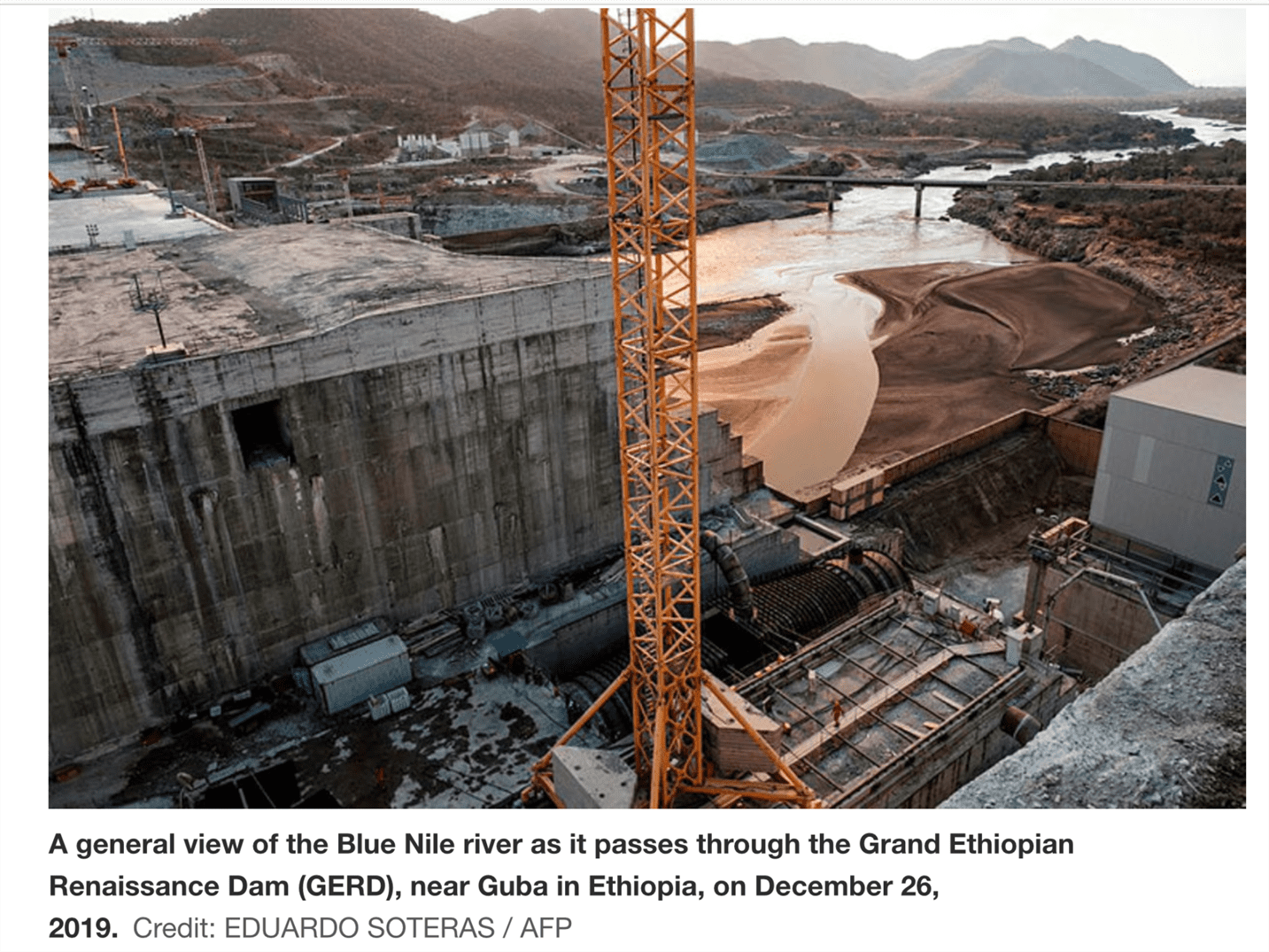

Notifications
Clear all
Main Forum
181
Posts
14
Users
0
Reactions
45.9 K
Views

January 30, 2020 5:18 pm
January 31, 2020 10:20 am

January 31, 2020 10:26 am
January 31, 2020 11:29 am
February 1, 2020 11:56 am